Ghost Servers: What the Internet's Abandoned Digital Rooms Say About Us

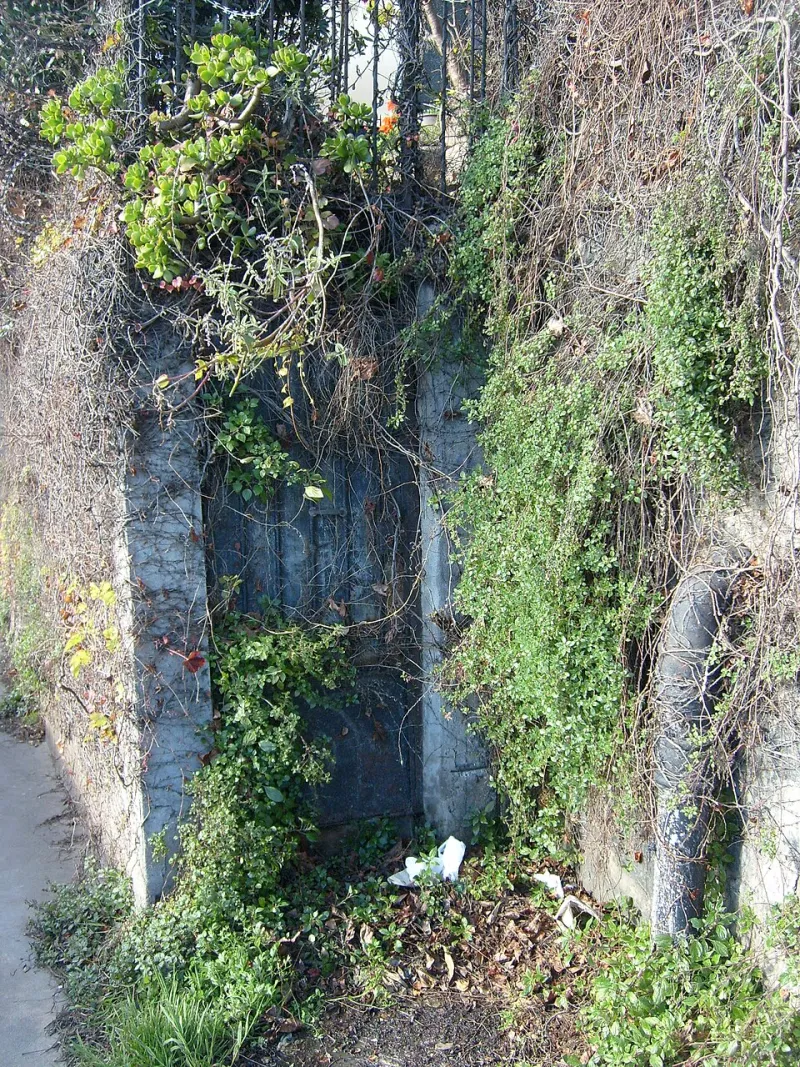
Photo by Photo by ACatInABox on Unsplash on Unsplash
Somewhere out there, a Discord server you poured your heart into for six months is sitting completely empty. The channels are still organized exactly the way someone thought made sense in early 2021. The pinned messages still reference inside jokes that maybe six people ever understood. The bot still technically works, responding to commands no one is sending. It's all there — perfectly preserved, completely inert.
We don't really have a word for this kind of place yet. "Abandoned" feels too dramatic. "Dead" isn't quite right either, because nothing is decomposing. These spaces just... stopped. And if you stumble back into one — whether it's an old forum you used to haunt, a subreddit that lost its moderators, or a Discord server that quietly shed its last active member sometime during a Tuesday nobody remembers — you get this strange, specific feeling. Something between nostalgia and vertigo.
That feeling is worth paying attention to.
The Archaeology of the Everyday
Archaeologists spend careers reconstructing civilizations from broken pottery and fire pits. What they're really doing is reading the residue of daily life — the unremarkable stuff that people left behind without meaning to leave anything at all. Abandoned online spaces work the same way, except the residue is embarrassingly legible.
You can scroll through a dead Discord and watch a community's entire arc play out in real time. There's usually a burst of energy near the top — enthusiastic introductions, ambitious channel organization, someone posting a roadmap for what this server is going to become. Then activity starts thinning. The gaps between messages grow longer. Someone asks if anyone's still around. Nobody answers. And then there's just... nothing. A timestamp hanging in the air like a last word.
Forum archaeologists — yes, that's a real informal hobby — have been cataloging these spaces for years. Sites like the Wayback Machine have preserved entire communities that their own members have long since forgotten: early anime forums from 2003, regional Craigslist-era hobbyist boards, the remnants of fandom wikis built around shows that got canceled after one season. The content ranges from mundane to deeply strange, but the emotional texture is almost always the same. These were places where people tried.
Why Communities Collapse (And Why It Matters)
It's tempting to frame every dead online community as a failure, but that framing misses something important. A lot of these spaces accomplished exactly what they were supposed to — they just accomplished it and moved on. A Discord server that helped a small group of strangers survive a rough pandemic year and then dissolved when everyone found their footing again isn't a failure. It's a finished thing.
But plenty of communities do fail in the more conventional sense, and the wreckage is instructive. Common causes read like a short taxonomy of human dysfunction: founder burnout, interpersonal drama that curdled the vibe beyond repair, a platform migration that half the members didn't make, the slow gravitational pull of a bigger competing community. Sometimes a community just ran out of things to talk about. Sometimes the thing that held it together — a game, a show, a shared crisis — went away and nobody figured out what came next.
What's interesting is how rarely these communities die all at once. Usually it's a long, uncomfortable fade. A few core members keep showing up out of habit or loyalty, posting into an increasingly empty room, until even they stop. The lights don't go out so much as they just gradually dim.
What Gets Left Behind
The creative detritus of dead online communities is its own strange category of cultural artifact. Fan fiction posted to a forum that no longer exists. Collaborative worldbuilding documents that got maybe thirty pages deep before the project collapsed. Elaborate lore wikis for tabletop campaigns that never finished. Art made for people who may not even remember commissioning it.
Some of this stuff is genuinely good. Some of it is rough in the way that all earnest amateur creative work is rough — which is to say, rough in a way that's kind of wonderful. All of it was made for an audience of somewhere between five and fifty people, most of whom are now completely unreachable. It exists in a weird liminal state: technically public, practically invisible, meaningful to almost no one except the person who might stumble across it years later and feel that vertigo again.
There's a specific kind of grief that comes with finding your own old posts in a dead community. Not the sharp grief of loss, but something more diffuse — the recognition that a version of you existed in that space, was shaped by it, and that the space itself has no memory of you at all. Digital spaces don't mourn their inhabitants.
The Permanence Problem
Here's the uncomfortable flip side: not everything gets preserved, and the stuff that does get preserved doesn't always get preserved in ways anyone consented to. Discord servers that go private or get deleted are genuinely gone — no Wayback Machine crawling those. Old forums running on abandoned software can vanish overnight when the hosting bill stops getting paid. Whole ecosystems of creative work and community memory can disappear in an afternoon.
At the same time, plenty of stuff that people want to disappear stubbornly persists. Screenshots circulate. Archive links get shared. The internet's relationship with memory is famously inconsistent — it forgets the things worth keeping and preserves the things people wish it wouldn't.
This creates a genuinely weird dynamic for online community members. You're simultaneously building something ephemeral and potentially permanent, never quite sure which it's going to be. Most communities probably land somewhere in between: not fully preserved, not fully erased, just fading unevenly at the edges.
What We're Actually Looking For
Spend enough time reading through dead online spaces and a pattern emerges. People weren't just looking for information or entertainment, though they wanted those things too. Mostly, they were looking for recognition — for someone to say, yes, I also care about this weird specific thing, yes, you belong here, yes, this matters.
The tragedy of a dead community isn't the lost content. It's the lost confirmation. Every empty channel is a room where someone once felt seen, and then didn't anymore, and then stopped showing up.
That's not unique to online spaces, obviously. Physical communities collapse too. Bars close, neighborhood organizations dissolve, book clubs drift apart. The difference is that when physical spaces disappear, they tend to disappear completely — the building gets torn down, the lease runs out, the thing is gone. Online spaces leave these strange partial traces. The room is still there. It just has no one in it.
Maybe that's why stumbling into a dead Discord or an abandoned forum hits the way it does. It's not just nostalgia. It's a reminder that belonging is always temporary, that the spaces we build together are more fragile than they feel while we're inside them, and that the impulse to find your people — wherever they are, however weird the specific thing is that draws you together — is one of the most persistently human things there is.
Even if the server eventually goes quiet. Even if the last message just hangs there, unanswered, forever.