Sold at the Show, Gone by Morning: The Physical-Only Music Underground
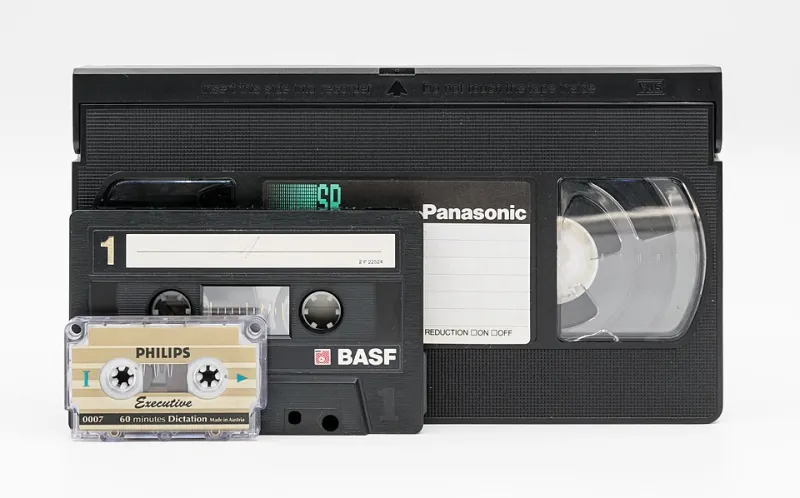
Photo: Jacek Halicki, CC BY-SA 4.0, via Wikimedia Commons
The Table by the Door
The first thing you see at certain small shows isn't a stage. It's a folding table near the door with a cash box, a stack of cassettes in clear cases, and a handwritten sign that says cash or trade. No QR code. No link to Spotify. Just objects. A lathe-cut 7-inch in a paper sleeve. A MiniDisc with a label printed at home. A USB drive in a tiny box. The artist is probably the person working the table, and they probably have a day job. You buy the thing, you put it in your bag, and you carry it home like contraband. Which, in 2026, it sort of is.
Why Not Just Upload It?
Streaming is not the enemy. It's the default. It makes every song available everywhere, which is a miracle and also a way to turn music into wallpaper. Physical-only releases are a deliberate brake. They say: this is not content. This is an event. You had to be there, or know someone, or check the thread at the right time. The object becomes a receipt for an experience. It also sounds different because you have to sit with it. A cassette has sides. A lathe-cut has imperfections. A MiniDisc feels like a prop from a future that never arrived. None of that is nostalgia exactly. It's a choice about attention.
The Spreadsheet Is the Record Store
The aftermarket runs on spreadsheets, forum threads, and group chats. Collectors list duplicates, wants, and shipping preferences. There are tabs for condition, pressing, and whether the J-card is signed. People use USPS Media Mail and bubble mailers. They argue about whether a digital rip should be shared. Most of them eventually circulate, but the physical copy still matters. The spreadsheet is not a storefront. It's a community ledger. You have to know someone to get access. That friction is the point, even when it's annoying.
The Show Is the Distribution Channel
A physical-only release turns a show into a distribution network. You don't just hear the band; you leave with a piece of it. The table is where the band talks to you, where you find out about the next release, where someone trades you a cassette from another city. The object is a conversation starter. It also makes the show a deadline. If you don't go, you don't get it. That's not convenient. It's memorable.
The Economics of Keeping Weird Sound Alive
Lathe-cut records are made one at a time. Cassette dubs take hours. MiniDisc blanks are not cheap. USB drives are cheap but the packaging isn't. Artists sell at shows because that's where the money is. In 2026, a stream pays fractions of a cent. A $12 cassette pays for gas and maybe a burrito. The physical-only model is not scalable, and that's why it works. It keeps the scene small enough to fit in a room. It also means the music is not optimized for the algorithm. It's optimized for the person standing in front of the table.
A Note on the Rip
Yes, someone will digitize it. Someone always does. The scene knows this. The point is not total control. The point is that the first encounter is physical, and the object remains a marker of that encounter. The rip is a backup. The cassette is the memory.
What Gets Lost, What Gets Kept
There are real access problems. Not everyone can get to a show or afford a lathe-cut. Physical-only can become a velvet rope. But the best versions of this scene keep prices low and trades open. They press enough for the room, not the world. They let the rip circulate after the fact. They treat the object as a keepsake, not a status symbol. The album you can't stream is not better because it's hard to find. It's better because it asks you to be present. That's a weird thing to ask of music in 2026. It's also the reason people keep showing up.