Small Fandoms, Big Money: How Micro-Communities Are Quietly Running the Consumer Market
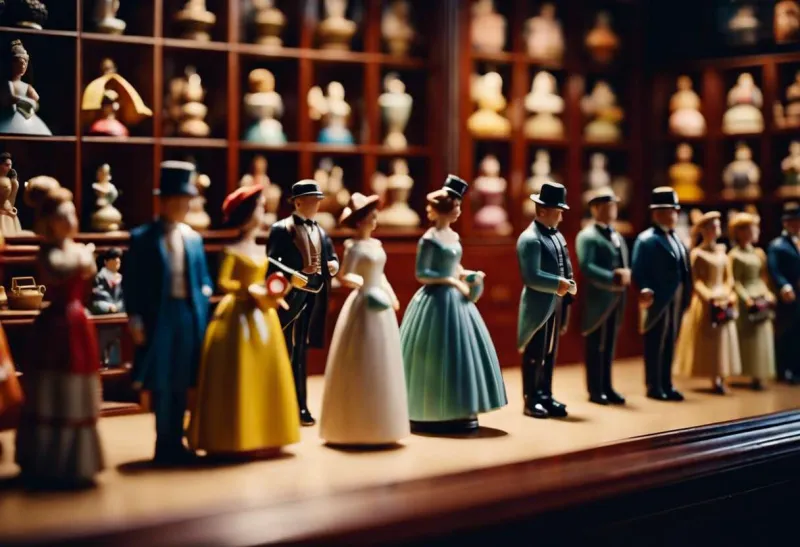
Photo: niche hobby community collectors obsession figurines vintage items, via www.1ruevintage.com
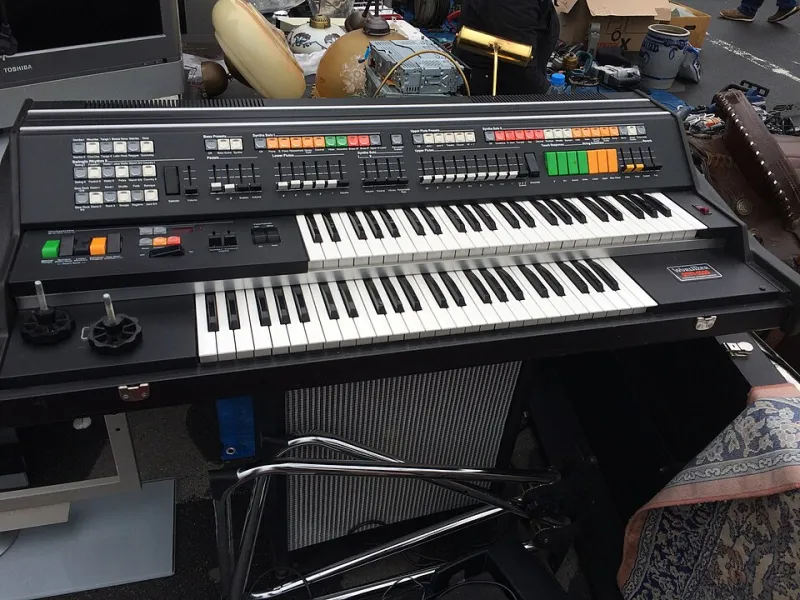
There's a subreddit for people who collect vintage Japanese stationery. Another one dedicated entirely to a specific era of Swiss watch movements. A Discord server with thousands of active members who spend their weekends hunting down obscure Soviet-era synthesizers. From the outside, these communities look like curiosities — a corner of the internet where people are very serious about very specific things. But look a little closer at the money flowing through them, and you start to realize something wild: these tiny, passionate groups are quietly reshaping how Americans spend.
Welcome to the rabbit hole economy.
The Psychology of Going Deep
There's something almost spiritual about the way people attach to hyper-specific interests. It's not just liking something — it's knowing everything about it, owning the rarest version of it, being recognized for your expertise within a community that actually cares. Psychologists have a term for this: identity-based consumption. When a hobby becomes part of who you are, the things you buy to support that hobby stop feeling like purchases and start feeling like self-expression.
This dynamic is especially intense in niche communities because scarcity and exclusivity are baked in from the start. If you're into vintage mechanical keyboards — specifically the kind with Holy Pandas switches and custom aluminum cases — you're not shopping at Best Buy. You're participating in group buys that take 18 months to fulfill, spending $300 on keycap sets designed by a single artist, and debating switch lubricant viscosity with people you've never met in person but somehow feel deeply understood by. The financial investment isn't incidental to the experience. It is the experience.
And here's the kicker: people in these communities often spend at rates that would make mainstream consumer brands weep with envy. A casual sneakerhead might drop $200 on a hyped Nike release and move on. A dedicated member of a mechanical keyboard community might spend $800 in a single month — and feel genuinely good about it.
The Market Segment That Wasn't Supposed to Exist
For a long time, mainstream brands largely ignored these pockets of obsession. The logic made sense on paper: why chase a community of 15,000 deeply passionate people when you could target millions of casual consumers? But that math has started to look a lot shakier in the age of algorithmic content distribution and community-driven marketing.
Here's what brands are learning the hard way: niche communities don't just buy things — they evangelize them. A product that earns genuine love inside a tight-knit interest group gets talked about, reviewed, photographed, and recommended with a fervor that no paid influencer campaign can replicate. The trust networks inside these communities are extraordinarily strong, which means a single authentic endorsement from a respected voice in the group can move product in ways that dwarf the ROI on a traditional ad spend.
Companies like Drop (formerly Massdrop) built their entire business model around this insight. Instead of manufacturing products and hoping niche communities would find them, they went into those communities and asked what people actually wanted. The result was a catalog of deeply specific products — audiophile headphones, custom keyboard components, specialty coffee gear — that sold out repeatedly to audiences that mainstream retail had never even tried to reach.
When the Niche Becomes the Mainstream
There's a pattern that keeps playing out, and it's worth paying attention to. A micro-community develops intense enthusiasm around something obscure. The aesthetic, the language, the specific products associated with that community start leaking out into broader internet culture through TikTok, YouTube deep-dives, and Reddit crossposting. Suddenly, what was a 10,000-person hobby becomes a 500,000-person trend — and the brands that got in early are positioned to win big.
Stanley cups. Birkenstock clogs. The entire cottagecore aesthetic. These didn't emerge from focus groups or trend forecasting firms. They bubbled up from niche communities — outdoor enthusiasts, sustainable fashion circles, rural aesthetics Tumblr pages — before exploding into mainstream consciousness. The brands that succeeded weren't the ones who tried to manufacture the trend. They were the ones paying close enough attention to recognize it early.
Obscure anime merchandise is another fascinating case study. For years, importing figures and doujinshi from Japan was a niche pursuit that mainstream US retailers wanted nothing to do with. Now, companies like Crunchyroll and Right Stuf (acquired by Crunchyroll in 2022) are building serious retail infrastructure around it, and Target has a dedicated anime section. The rabbit hole got big enough that mainstream commerce had no choice but to follow.
What This Means for the Rest of Us
If you're someone who already lives inside one of these communities, none of this is particularly surprising. You've always known that your corner of the internet was more economically significant than people gave it credit for. What's changing is that the broader consumer market is finally catching up to what you already understood.
For the rest of the culture, the implications are genuinely interesting. The old model of mass-market consumer behavior — where brands aimed at the broadest possible audience and hoped for the best — is getting disrupted not by a single competitor but by thousands of tiny, intensely loyal market segments that each operate by their own rules.
The rabbit hole economy doesn't have a single entrance. It has millions of them. And down each one, there are people who care more deeply about their specific thing than most of us care about anything we buy at a mall. That level of passion, it turns out, is worth a lot of money — and the brands smart enough to meet people where they actually are, rather than where the demographics say they should be, are the ones quietly cleaning up.
The weird kids were onto something all along.